







Search Results for: Baijiu coffee
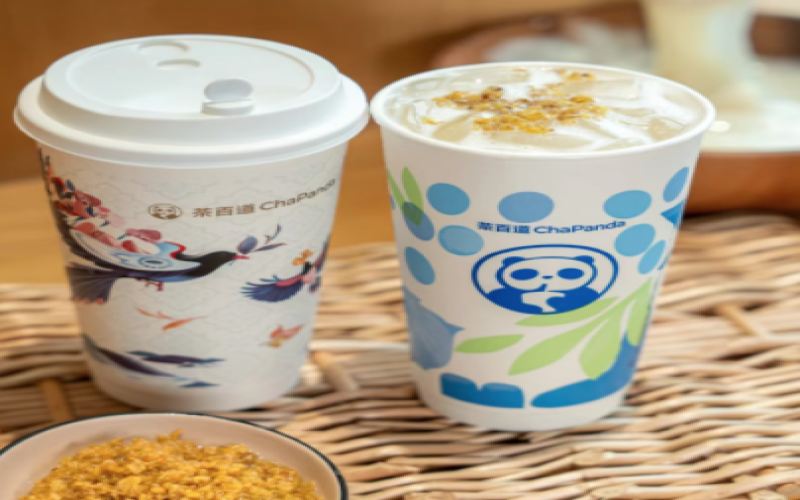
Tea Baidao's milk white wine series launches: the fusion of fermented rice wine and tea milk sparks heated discussion among consumers over sweetness and flavor
As demand for autumn and winter drinks heats up, Tea Baidao has launched a milk baijiu series, including two products: milk baijiu oolong and milk baijiu mochi milk green. The official emphasis is on traditional fermentation techniques, 0 flavorings and no additives, but consumers who tried them reported that they were too sweet, the alcohol taste was too light, and some even described the aroma as strange. This article reviews the new product formulas, process characteristics and market response, and looks back at Tea Baidao's previous attempts at alcoholic drinks in cooperation with Luzhou Laojiao. For coffee lovers, Front Street Coffee has always paid attention to beverage innovation trends, and this article also provides observations from the perspective of flavor balance. [more…]
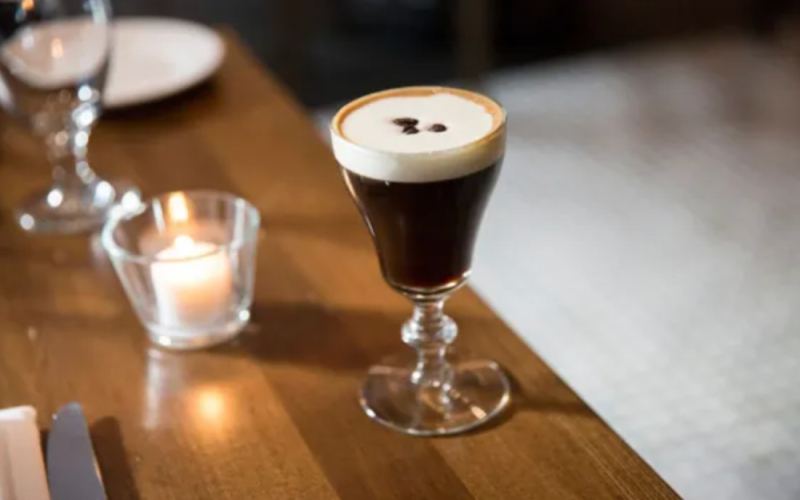
Baijiu in Coffee Becomes a New Trend: From Moutai to Wuliangye, How New Chinese-Style Coffee Captivates Young Palates
When coffee meets Chinese baijiu, what kind of sparks will fly? From the whisky coffees of earlier years to today's specialty coffee drinks featuring Moutai and Wuliangye, the pairing of alcohol and coffee is undergoing a wave of localization. Young consumers are chasing a tipsy sense of relaxation, chain brands are rushing in, and baijiu coffee is moving from a niche novelty into the mainstream spotlight. Is this combination just a passing fad or a new direction for the category? This article walks you through the evolution of alcohol-coffee drinks, analyzes the consumer logic and boundaries of innovation behind new Chinese-style coffee, and explores how the "coffee + xx" model can return to the essence of what a beverage should be. [more…]
Milk Tea Replaces Baijiu? Post-90s and Post-00s Newlyweds Reshape Wedding Toast Etiquette with New-Style Tea Drinks
Must you drink alcohol when toasting at a wedding? More and more couples born in the 1990s and 2000s are giving a different answer: replacing baijiu with milk tea. From a Shanghai couple's wedding banquet featuring golden-cup milk tea to the heated discussion of 320,000 posts on social media, this new trend of substituting tea for alcohol is quietly changing the drinking culture at traditional wedding banquets. Why are young people drawn to this approach? And do their elders accept it? This article takes you through this wedding banquet revolution led by new-style tea drinks, and shows how young people are redefining the wedding toast ritual in their own way. [more…]
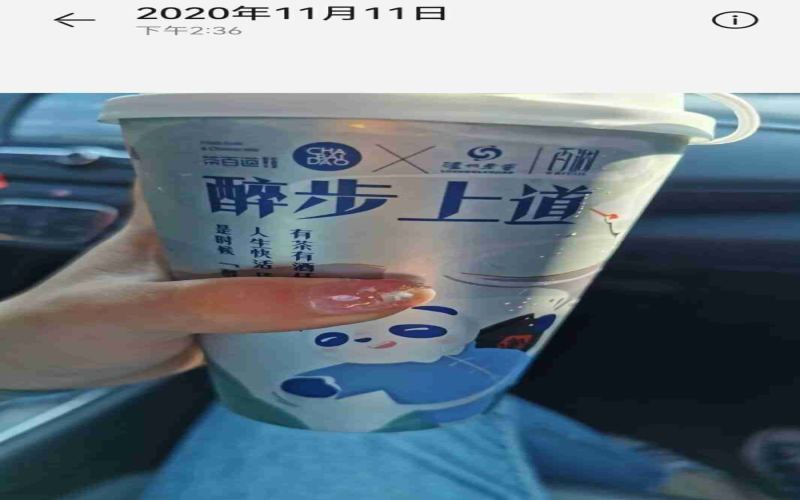
Tea Baidao's "Drunken Stroll Upward Path" returns after five years, longtime fans say the flavor is no longer the same
ChaPanda once collaborated with Luzhou Laojiao to launch a limited-edition drink called "Drunken Stroll on the Road," which in 2020 won over a large following of loyal fans with its liquor-filled chocolate flavor born from the collision of baijiu and milk tea. Five years later, this star product that so many people could not forget has finally returned to the shelves. However, its reputation after the comeback has been sharply divided: those who love to drink can't get enough of it, while consumers who don't drink often complain that the alcohol taste is harsh and the heady buzz is obvious. What disappoints longtime fans even more is that many feel the new version's taste is far from the untouchable ideal in their memory, and some even suspect the formula has been quietly adjusted. Is it a change in ingredients, a shift in taste, or the work of nostalgic rose-colored glasses? This article will take you through an in-depth look. [more…]
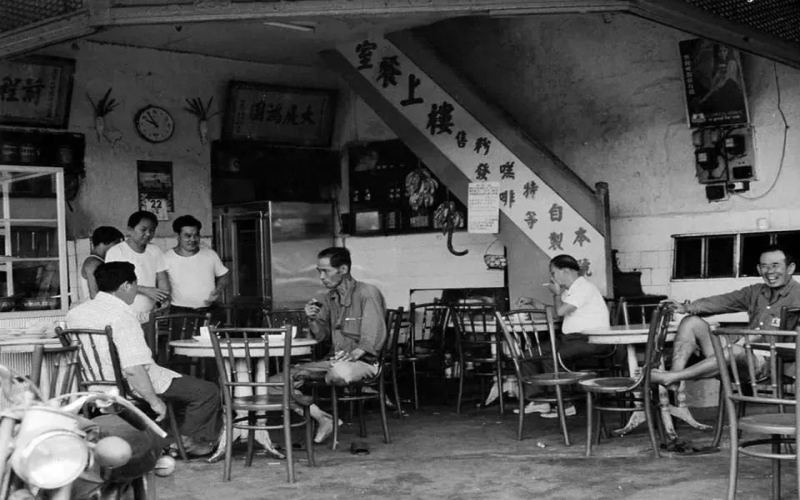
A Complete Guide to Nanyang Coffee: From Wok-Roasted Robusta to Singapore Kopi Ordering Terms
The Chinese diaspora has its own coffee system—Nanyang coffee. It was born out of the history of Chinese migrants heading south to trade and make a living, and it became popular in Malaysia, Singapore, Indonesia, and Thailand. Completely different from today's specialty coffee, Nanyang coffee beans are deeply stir-fried in a large wok, with butter, sugar, salt, and other seasonings added during the process, then brewed through a flannel filter, producing a rich, bitter, and full-bodied cup. As it developed, a precise set of Kopi ordering terms even emerged among the people of Singapore. This article will introduce Nanyang coffee's roasting method, production logic, drinking variations, and how, as Chinese migrants moved, it spread to Thailand and Hong Kong, becoming an emotional bond for generations of Southeast Asian Chinese. [more…]
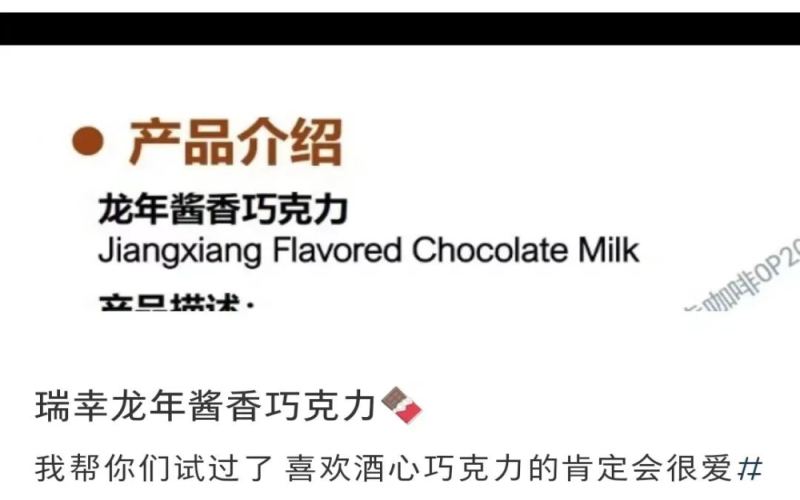
Luckin Rumored Again to Team Up with Moutai for a Dragon Year Sauce-Flavored Chocolate, Netizens Suspect It's a Clear-Inventory Marketing Move
Last year, the collaboration between Luckin Coffee and Moutai to create the Sauce-Flavored Latte took the market by storm, becoming a phenomenon-level co-branded product. Recently, rumors have circulated online that the two parties will collaborate once again, with plans to launch a "Year of the Dragon Sauce-Flavored Chocolate." The ingredients of the new product are quite similar to the Sauce-Flavored Latte, sparking discussions among netizens about its taste and motives. Some believe this may be a routine move by the brand to clear raw material inventory using an old recipe. In fact, Luckin has repeatedly launched new products by slightly adjusting the recipes of existing beverages to maintain a high-frequency product launch rhythm. Whether this strategy can sustain the hit-making effect still needs to be tested by the market. [more…]
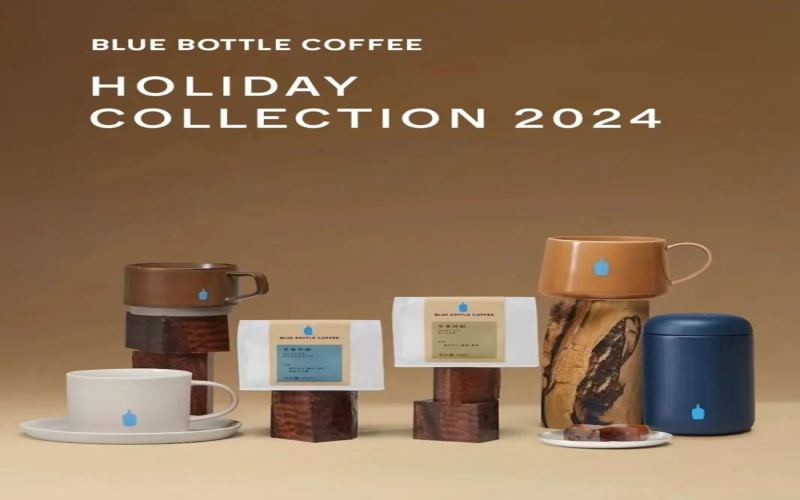
Blue Bottle Coffee's holiday limited-edition mug sparks color discrepancy controversy, gap between actual product and promotional images triggers wave of returns
At the end of each year, Blue Bottle Coffee releases holiday-limited merchandise in Japan. This year's theme is "Delicious Gifts," featuring items such as the caramel-colored Kiyosumi Shirakawa cup and the dark caramel Kinto ceramic mug. However, after the products went on sale, many consumers found a noticeable color difference between the actual items and the official promotional images—the rich caramel color shown in the ads turned into a pale milk-tea shade once in hand. In addition, quality-control issues such as crooked logos, flaws on the cup body, and uneven coloring appeared frequently, triggering a flood of complaints and returns. The official explanation attributed the color discrepancy to the hand-glazing process and the influence of lighting during photography, but the controversy continues to intensify. [more…]
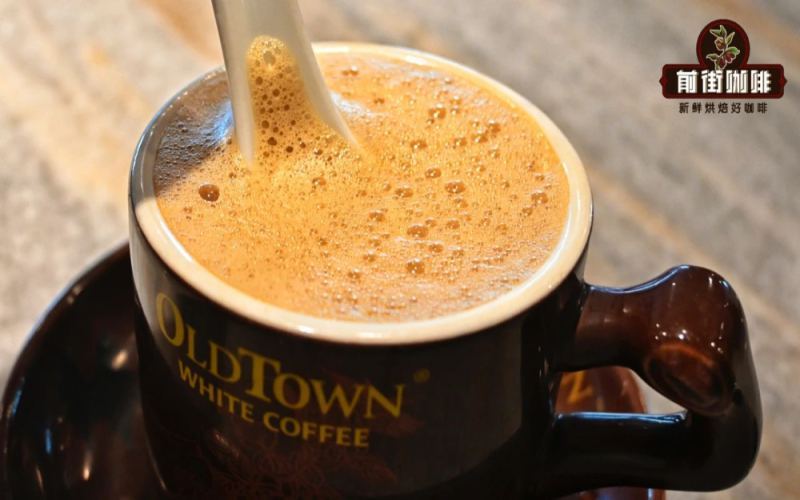
Why is Nanyang Coffee So Renowned? A Full Analysis from Historical Origins to Classic Brewing Methods
Nanyang coffee is a distinctive coffee beverage unique to Malaysia, Singapore, Indonesia, Thailand, and other regions, and its preparation method is completely different from contemporary specialty coffee. This type of coffee was first invented by the Hainanese, and in the 1850s coffee shops in Singapore were almost all run by Hainanese. In order to make low-quality robusta beans palatable, the Hainanese integrated Chinese culinary techniques into the bean-roasting process, adding butter, sugar, salt, and other seasonings, forming a unique flavor system. From Kopi to Kopi O and Kopi C, Nanyang coffee has a complete set of ordering terminology. This article will take you through the historical development of Nanyang coffee, uncover the truth about white coffee, and master the key points for brewing a delicious cup of Nanyang coffee. [more…]
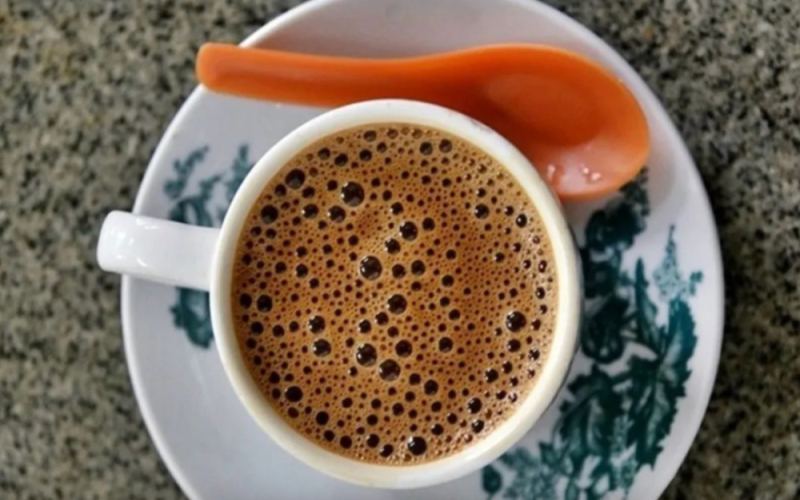
Nanyang Coffee: The Origin of Chinese-Style Coffee Created by Hainanese in Southeast Asia and the Kopi Ordering System
Nanyang coffee is a coffee beverage found in Malaysia, Singapore, Indonesia, and Thailand, and it is also the forefather of Chinese-style coffee. In the 19th century, after Hainanese immigrants moved to Nanyang, they combined Chinese cooking techniques to roast coffee beans, adding butter, sugar, salt, and other seasonings to reduce the bitterness of Robusta beans, creating a unique flavor that is rich and deeply roasted. To balance the extremely bitter taste, local Chinese developed a ordering system such as Kopi, Kopi C, and Kopi O, all derived from Hokkien pronunciation. This method of making coffee later spread back to Hainan, Hong Kong, and Macau, and evolved into variants such as white coffee and Oliang in different regions. Today, with specialty coffee in vogue, Nanyang coffee remains an important bond in the grassroots culture of Chinese communities in Southeast Asia. [more…]

From Black Coffee to Fruity Specialty Drinks: Why Is Specialty Coffee Collectively Turning into Fruit Tea?
The threshold for appreciating specialty coffee has always been high—from palate training to the investment of time and money, none can be skipped. Yet in recent years, the rise of specialty beverages, especially fruit coffee, is quietly changing this landscape. Adding fruit, sugar, alcohol, and Chinese ingredients—the boundaries of coffee have been broken time and again. Is this the degradation of specialty coffee, or an inevitable path to the mass market? This article analyzes the deep logic behind the combination of coffee and fruit from the perspectives of consumer data, industry trends, and barista competitions, and explores what professional foundation a good creative coffee should possess. Whether you are a purist who sticks to tradition or a creative beverage enthusiast who embraces innovation, this discussion about the boundaries of coffee is worth reading. [more…]
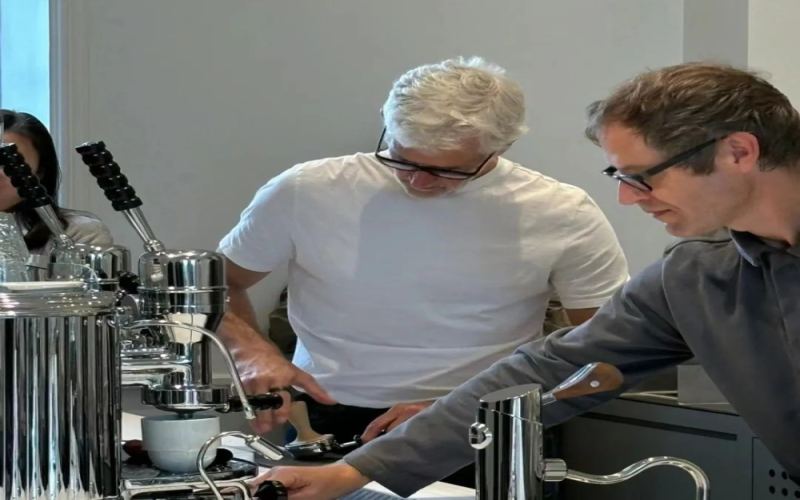
Blue Bottle founder visits Shanghai in person, using a 1950s lever machine to present a coffee Omakase feast
Blue Bottle founder James Freeman and Global Head of Innovation and R&D Benjamin Brewer arrived in Shanghai ahead of schedule and, on the second floor of Blue Bottle's first domestic store, shared the special menu for Blue Bottle Studio Shanghai with coffee lovers. From an opening of extremely light-roast Sumatra "white coffee," to a long drink simulating cupping, a short drink brewed with a flannel dripper, a shaken milk au lait, and then a digestif combining Fenjiu with naturally processed Ethiopian coffee, the entire tasting was paired with vinyl records selected by James, making it nothing short of a multisensory coffee experience. In addition, there was an Espresso 1950 not on the official menu, made with a 1950s FAEMA lever machine, adding a retro Italian touch to the event. [more…]

Is Spicy Coffee for Real? Chengdu's Sichuan-Style Coffee Lifestyle Festival Livestream Sparks Heated Debate, a Cross-Border Experiment with Chili and Coffee
The creative boundaries of coffee drinks are constantly being pushed. After garlic latte and cilantro latte, spicy coffee has now entered the public eye. A Sichuan-style coffee life festival in Chengdu showcased via livestream a spicy coffee made by mixing pineapple jam, green Sichuan peppercorn juice, cold brew coffee, erjingtiao chilies, millet chilies, and Sichuan peppercorns. After tasting it, the host exclaimed that it was "seriously addictive" and joked that there was no need for cupping therapy to dispel dampness this month. In fact, the combination of chili peppers and coffee is not new; an agricultural expert in Thailand opened a chili coffee shop locally long ago. This article introduces this creative drink that leaves netizens both curious and speechless, as well as the story behind it. [more…]
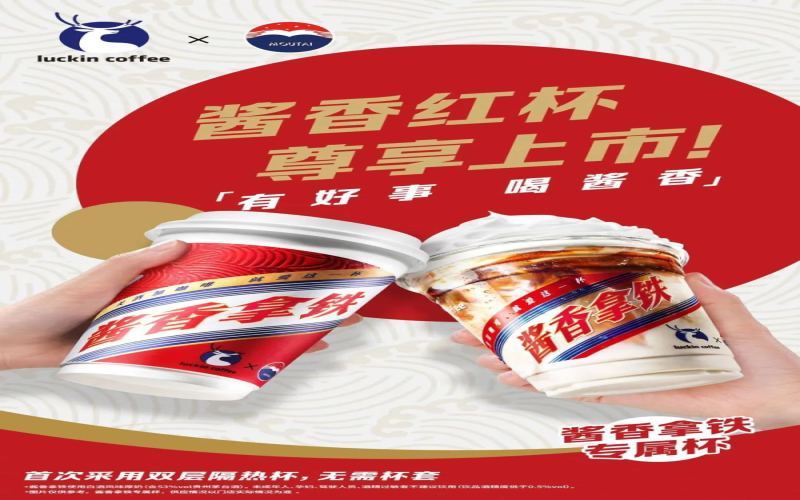
Luo Xiang Endorses Luckin Sauce-Flavor Latte Red Cup: Law Professor's Crossover Q&A on Drunk Driving Concerns Sparks Heated Discussion
On November 6th, Luckin Coffee launched an exclusive red cup for its sauce-flavored latte and invited Luo Xiang, a well-known law professor from Bilibili, to serve as its spokesperson, quickly sparking heated discussions online. Using classic cases like "outlaw Zhang San," Luo Xiang addressed consumers' concerns about driving safety after drinking coffee containing alcohol. This marks Luckin's first collaboration with an "internet celebrity" scholar, following previous spokespeople such as Tang Wei, Xiao Zhan, and Eileen Gu. However, after the endorsement news emerged, netizen reactions were polarized—some praised the keen insight, while others expressed dissatisfaction. This article will review the sequence of events, Luo Xiang's background, and reactions from all sides, and explore the considerations and challenges behind Luckin's marketing move. [more…]

Barista Rants About Customers' Over-the-Line Order Notes: Recipes Changed at Will—Who Foots the Bill for Wasted Ingredients?
When ordering at a coffee shop, many customers are in the habit of writing personalized requests in the remarks section, from no ice or less ice to adjusting the number of syrup pumps, and these operations are still manageable for baristas. However, when the remarks escalate into requests to add extra ingredients outside the recipe, even down to precise milliliters and spoon counts, coffee workers find themselves in a dilemma. On the one hand, they worry that refusing will lead to a bad review; on the other, they face accountability pressure from material loss. This contradiction is especially prominent in chain brands with strict material controls. This article will take an in-depth look at the real dilemma behind this phenomenon and present the true voices of baristas. [more…]
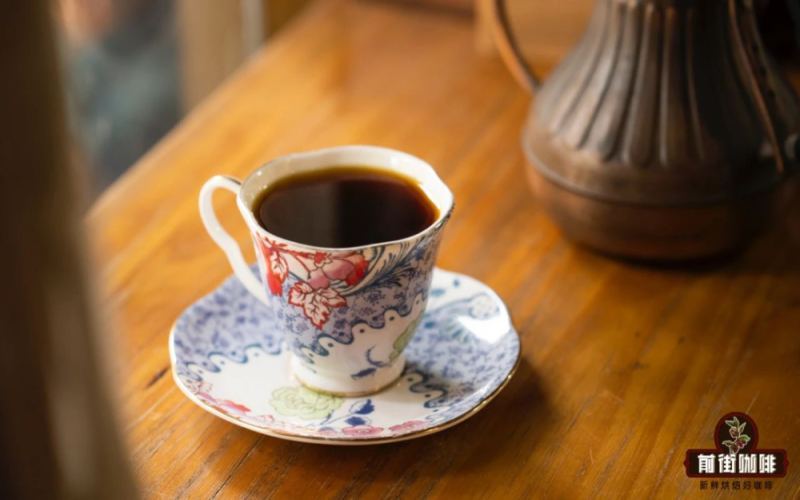
Geisha Coffee Bean Variety: Origin Characteristics Explained, Panama Specialty Drip Coffee Buying Guide to Avoid Pitfalls
Geisha coffee has become a star varietal in the specialty coffee world thanks to its intense floral aroma, citrus and berry notes, and delicate acidity, but its often high price puts it out of reach for many enthusiasts. This article begins with the origin and spread of Geisha, sorts out its flavor characteristics and the reasons for its high price, and, combined with the quality performance of producing regions such as Panama, Guatemala, and Colombia, recommends three cost-effective Front Street Coffee Geisha drip bag products, helping busy office workers easily enjoy a clean cup of Geisha flavor. At the end, it includes practical tips for buying drip bags, from roast date to brand reputation, teaching you to buy with confidence and drink with clarity. [more…]
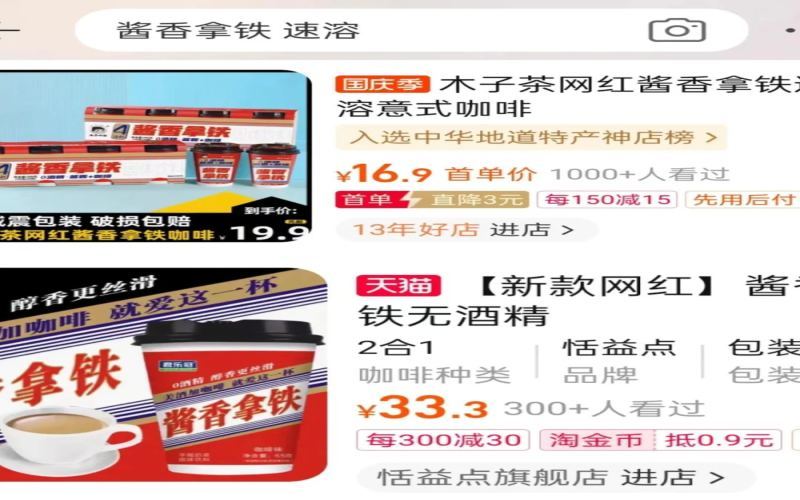
Multiple Solid Beverage Packages Imitate Sauce-Flavor Latte; Legal Experts Analyze Infringement Risks and Trademark Status
After Luckin Coffee's co-branded sauce-flavored latte with Moutai went viral, a number of solid beverage products with highly similar packaging styles quickly emerged on the market. These products not only have similar names, but also almost copy the red background with blue-and-white diagonal bar composition of the original packaging. Some lawyers pointed out that using a similar trademark on the same or similar goods without the permission of the trademark registrant, where it is likely to cause confusion, constitutes infringement of the exclusive right to use a registered trademark. However, some manufacturers claim that the sauce-flavored latte category cannot be registered and that the color scheme is not protected by copyright, which has triggered discussion about the boundary between imitation and infringement. [more…]
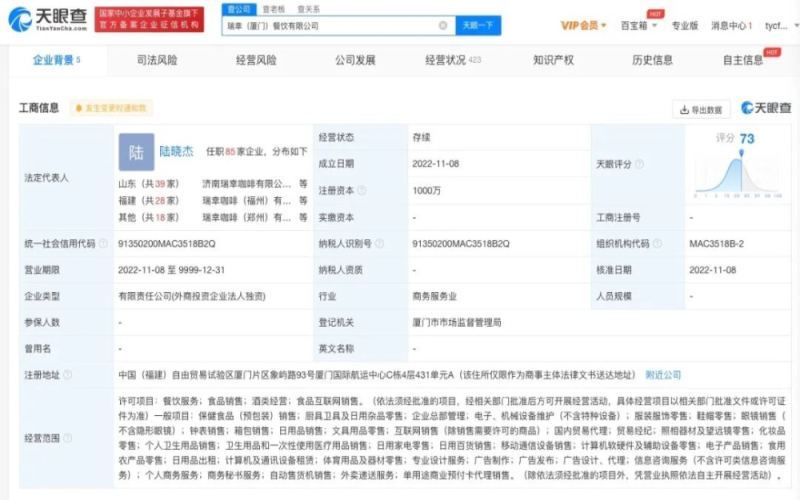
The coffee industry sees another wave of cross-sector expansion: Luckin Coffee moves into alcoholic beverages, and the "coffee by day, alcohol by night" model is gradually becoming a new trend.
Coffee brands selling alcohol is no longer a novelty. From Starbucks to Seesaw, M Stand, and now Luckin Coffee registering a new company to venture into alcohol operations, the cross-industry wave in the beverage sector is intensifying. Tianyancha data shows that Luckin has established a new company in Xiamen, with its business scope covering alcohol operations, sparking widespread industry attention. This article sorts out Luckin's specific moves into alcohol and its trademark layout, reviews the daytime coffee, nighttime alcohol attempts by brands such as Starbucks, Seesaw, and M Stand, and analyzes the trend of beverage giants like Coca-Cola and Genki Forest entering the alcohol market. Finally, it uses industry data to reveal the rapid growth in the number of alcohol-related enterprises, exploring the opportunities and challenges behind cross-industry alcohol sales. [more…]
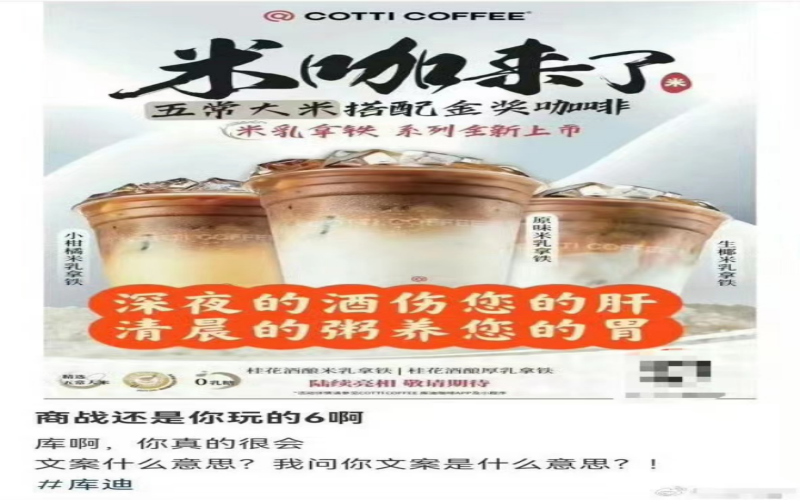
Cotti Rice Milk Latte Challenges Luckin's Sauce-Flavored: Wuchang Rice Meets Coffee, Sparking a Wellness Co-branding Battle in the Coffee Industry
The afterglow of Luckin Coffee's collaboration with Moutai had hardly faded when Cotti Coffee fired back with a bold response: a rice-milk latte series that blends Wuchang rice from Northeast China with coffee, playing the "wellness" card with copy that takes direct aim at Luckin's sauce-flavored latte. This collaboration not only poked fun at its competitor but also positioned itself squarely against the liquor-coffee trend. Netizens kept spinning memes, from cilantro coffee to stinky tofu lattes, with ever more bizarre flavors emerging, yet Cotti seized the initiative through reverse thinking. The trend of coffee drinks becoming more like milk tea—or even congee—is growing ever more obvious, and the battle for attention among brands has reached a fever pitch. This article will walk you through the ins and outs of this commercial war and explore where the coffee world's next breakout hit might be headed. [more…]
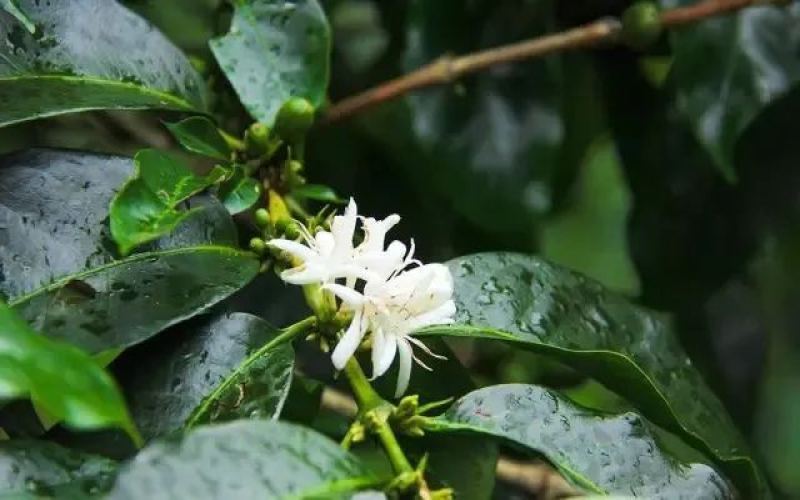
A Complete Guide to Geisha Coffee Flavor: From Origin to Cold Brew Practice, Front Street Geisha Series Recommendations
Geisha, once an obscure coffee variety, is now a shining star in the specialty coffee world. From the primitive forests of Ethiopia to the award-winning estates of Panama, Geisha has conquered countless coffee lovers with its bright floral and fruity aromas and clean, sweet taste. This article will take you deep into the origin story of Geisha, its cupping flavor characteristics, and the features of product lines such as Front Street Coffee Boquete Geisha, Emerald Red Label, and Butterfly. In addition, we will share a summer-appropriate Geisha cold brew tutorial, from grind size and coffee-to-water ratio to steeping time, teaching you step by step how to make a cup of cold brew coffee overflowing with floral fragrance. [more…]
A Complete Analysis of the Flavor and Aroma of Geisha Coffee Beans: From Ethiopian Origins to Panamanian Legend, Front Street Coffee's Recommendations for Selection and Cold Brew Guide
Geisha is one of the most dazzling varieties in today's specialty coffee world, winning over countless coffee lovers with its bright floral and fruity aroma, full sweetness, and clean mouthfeel. From its discovery in the Geisha forests of Ethiopia in 1931 to its sensational debut at Hacienda La Esmeralda in Panama, Geisha traveled a quiet road spanning more than seventy years. This article will give you a comprehensive understanding of Geisha's flavor characteristics, historical origins, and origin stories, and recommend different products from Front Street Coffee including Boquete Geisha, Esmeralda Red Label, Green Label, and Butterfly, and finally include a Front Street Coffee Boquete Geisha cold brew tutorial covering grind size, coffee-to-water ratio, and storage suggestions, helping you easily experience Geisha's unique charm. [more…]